
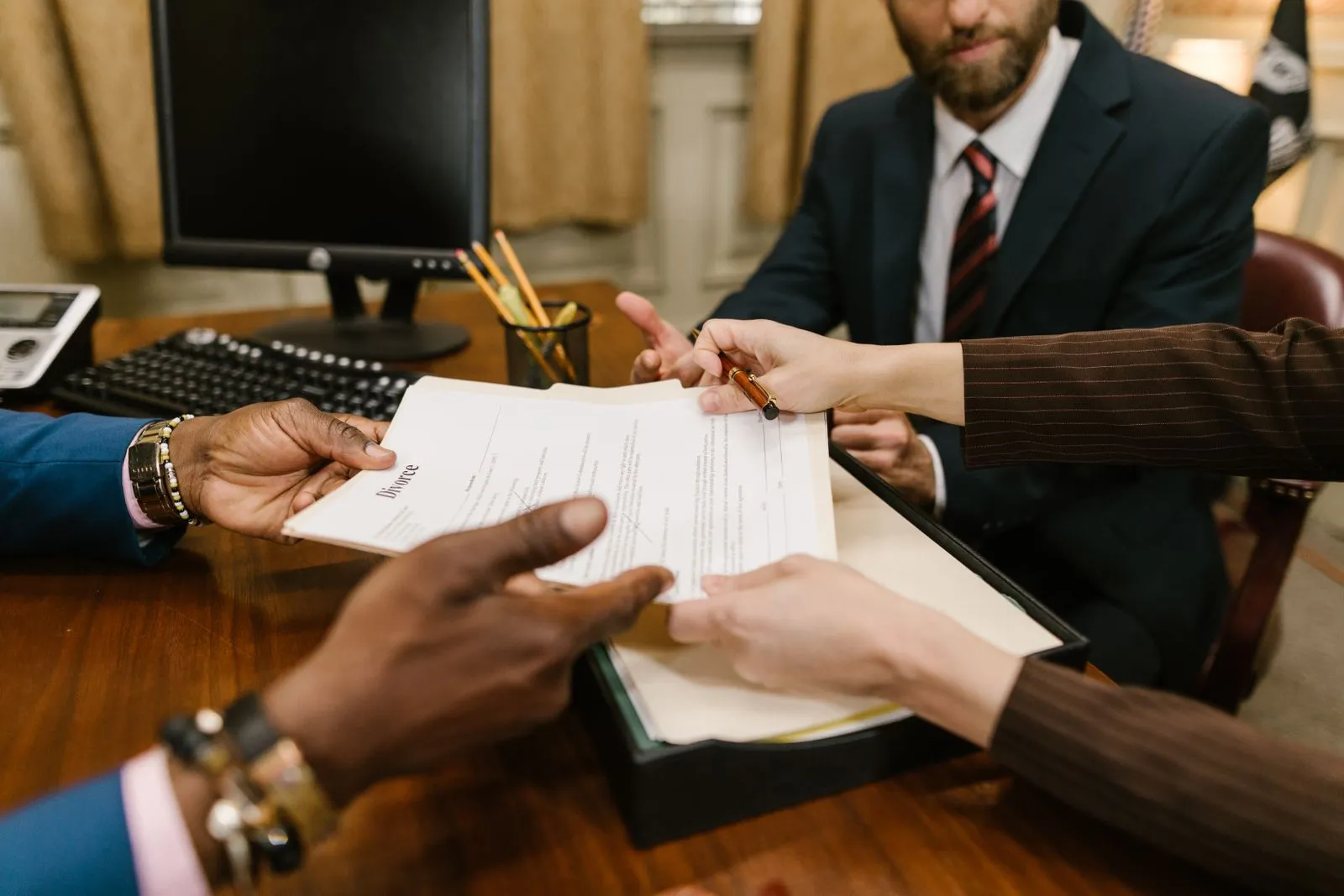
A little preparation can help your first lawyer meeting feel more focused and useful. You do not need to know every legal term or arrive with a perfect file. Bring the records you have, a clear timeline of what happened, and questions about your concerns and next steps. If you are missing documents, do not delay the meeting just to track them down. Tell the lawyer what is unavailable and why.
Gather Relevant Documents
Bring documents connected to your issue, such as contracts, letters, court papers, insurance records, bills, photos, or relevant emails and text messages. Include both favorable and unfavorable information. If you have received a deadline or notice, bring the complete document, including any envelope or delivery details that show when it arrived.
Organize papers by date or topic, and bring copies if convenient. For digital records, save files in an easy-to-open folder and make sure your device is charged. Do not alter messages, images, or other evidence. If the record is extensive, flag the pages or files that seem most important so you and the lawyer can find them quickly.
Prepare a Clear Timeline
Write a brief timeline with dates, people involved, and what happened. Start with the events that led to the problem and include important conversations, payments, injuries, notices, or decisions. If you are unsure of a date, mark it as an estimate rather than guessing. A short, factual outline can help you explain the situation without losing key details.
List the names and contact information of people who may have relevant knowledge, including witnesses, other parties, and professionals already involved. Note any steps you have taken, such as contacting an insurer, signing an agreement, or responding to a letter. Be candid about what you said or did; complete information helps the lawyer assess the matter.
Bring Questions and Goals
Write down your questions before the meeting. You might ask what legal issues the lawyer sees, what information is still needed, what deadlines may apply, and what options could be available. Ask what the lawyer would need to do next and whether there are immediate steps you should avoid or take. The answers may depend on facts the lawyer needs to confirm.
Think about what a useful outcome would look like for you. Consider your priorities, concerns, budget limits, and any practical constraints, such as work or caregiving responsibilities. Ask how the lawyer handles communication, who will work on the matter, how fees and costs are explained, and what you should expect after the consultation.
Know What to Share
Bring a photo ID and any intake forms the law firm requested. Make a list of other lawyers or agencies you have contacted about the same issue, and note whether you signed an agreement or shared documents with them. If someone else is involved in paying fees or making decisions, ask the firm beforehand whether that person should attend.
Share sensitive details directly and honestly with the lawyer, and ask how the firm handles confidential information. Avoid sending private records through an unapproved channel or posting about the dispute online. If you cannot bring everything, explain what is missing and offer to provide it later. The lawyer can tell you which records matter most and how to send them securely.
For a productive first lawyer meeting, focus on the documents you have, a simple timeline, and the questions that matter most to you. Keep your notes organized, be open about uncertainties, and ask what to do next. Harbor Point Law can help you prepare for a consultation and understand what information may be useful to bring.